
 admin
admin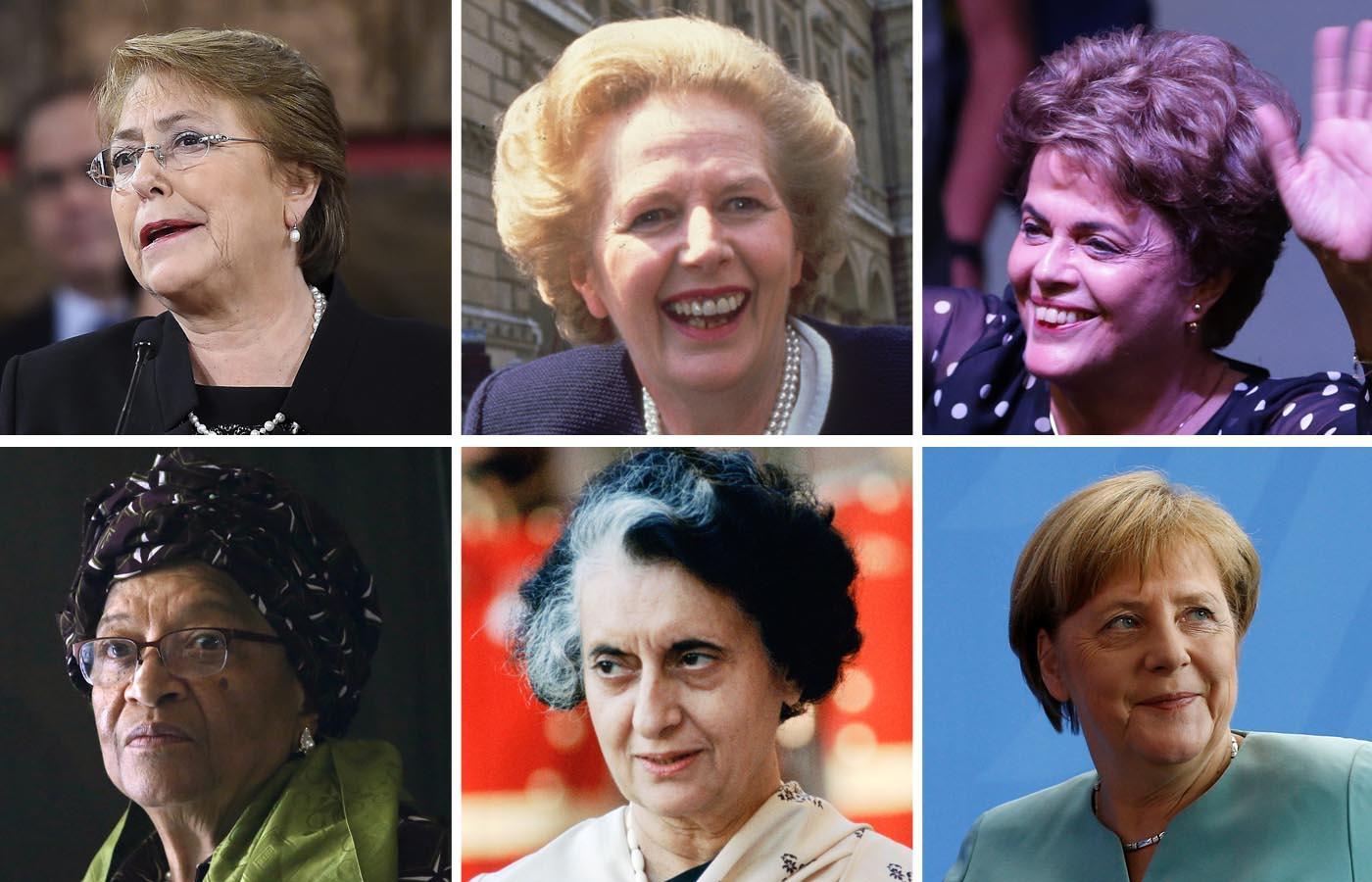
Throughout history, women have made extraordinary contributions to politics, science, education, social reform, literature, and human rights. Despite facing barriers and discrimination in many societies, countless women have shaped the course of history through leadership, innovation, and determination. Exploring the most influential women in history highlights their remarkable achievements and lasting impact on the world.
Why Historical Influence Matters?
Influential individuals help shape societies through ideas, actions, and leadership. Many women have challenged social norms, expanded opportunities for future generations, and contributed to significant advancements in human civilization.
Their achievements continue to inspire people around the world today.
Cleopatra
Cleopatra remains one of history’s most famous female leaders. As the last active ruler of Egypt, she played a role in Mediterranean politics during a period of major transition.
Her diplomatic skills, political alliances, and leadership helped maintain Egypt’s influence during challenging times.
Joan of Arc
Joan of Arc became a symbol of courage and determination during the Hundred Years’ War.
Despite her young age, she inspired French forces and became an enduring figure of national pride. Her legacy continues to represent resilience and conviction.
Queen Elizabeth I
Elizabeth I ruled England during a period often referred to as the Elizabethan Age.
Her reign saw:
- Political stability
- Economic growth
- Cultural achievements
- Expansion of international influence
She remains one of the most respected monarchs in history.
Marie Curie
Marie Curie transformed the field of science through groundbreaking research on radioactivity.
Her achievements include:
- Winning two Nobel Prizes
- Advancing medical science
- Contributing to modern physics and chemistry
Curie’s work continues to influence scientific research today.
Rosa Parks
Rosa Parks became a pivotal figure in the civil rights movement.
Her refusal to give up her seat on a segregated bus became a powerful symbol of resistance against racial discrimination and inspired broader social change.
Mother Teresa
Mother Teresa dedicated her life to serving the poor and vulnerable.
Her humanitarian work gained international recognition and inspired charitable efforts worldwide.
Indira Gandhi
Indira Gandhi was one of the most influential political leaders of the twentieth century.
Her leadership significantly impacted India’s domestic and international policies, making her a prominent figure in modern political history.
Margaret Thatcher
Margaret Thatcher became the first woman to serve as British Prime Minister.
Her economic and political policies influenced governance both in Britain and internationally.
Malala Yousafzai
Malala Yousafzai has become a global advocate for girls’ education and human rights.
Her activism demonstrates how individuals can influence international discussions on education and equality.
Contributions Beyond Politics
Influential women have also transformed:
- Literature
- Medicine
- Technology
- Art
- Social reform
Countless women have made significant contributions that continue to shape modern society.
The Importance of Recognition
Historically, many women’s achievements received less attention than those of their male counterparts. Modern scholarship increasingly seeks to recognize and celebrate the accomplishments of women whose contributions helped shape human progress.
This recognition encourages greater understanding of history and promotes equality.
Conclusion
The most influential women in history have left lasting legacies through leadership, innovation, activism, and service. From queens and scientists to educators and human rights advocates, these remarkable individuals changed societies and inspired generations. Their achievements remind us that determination, vision, and courage can transform the world regardless of the challenges faced.