
 admin
admin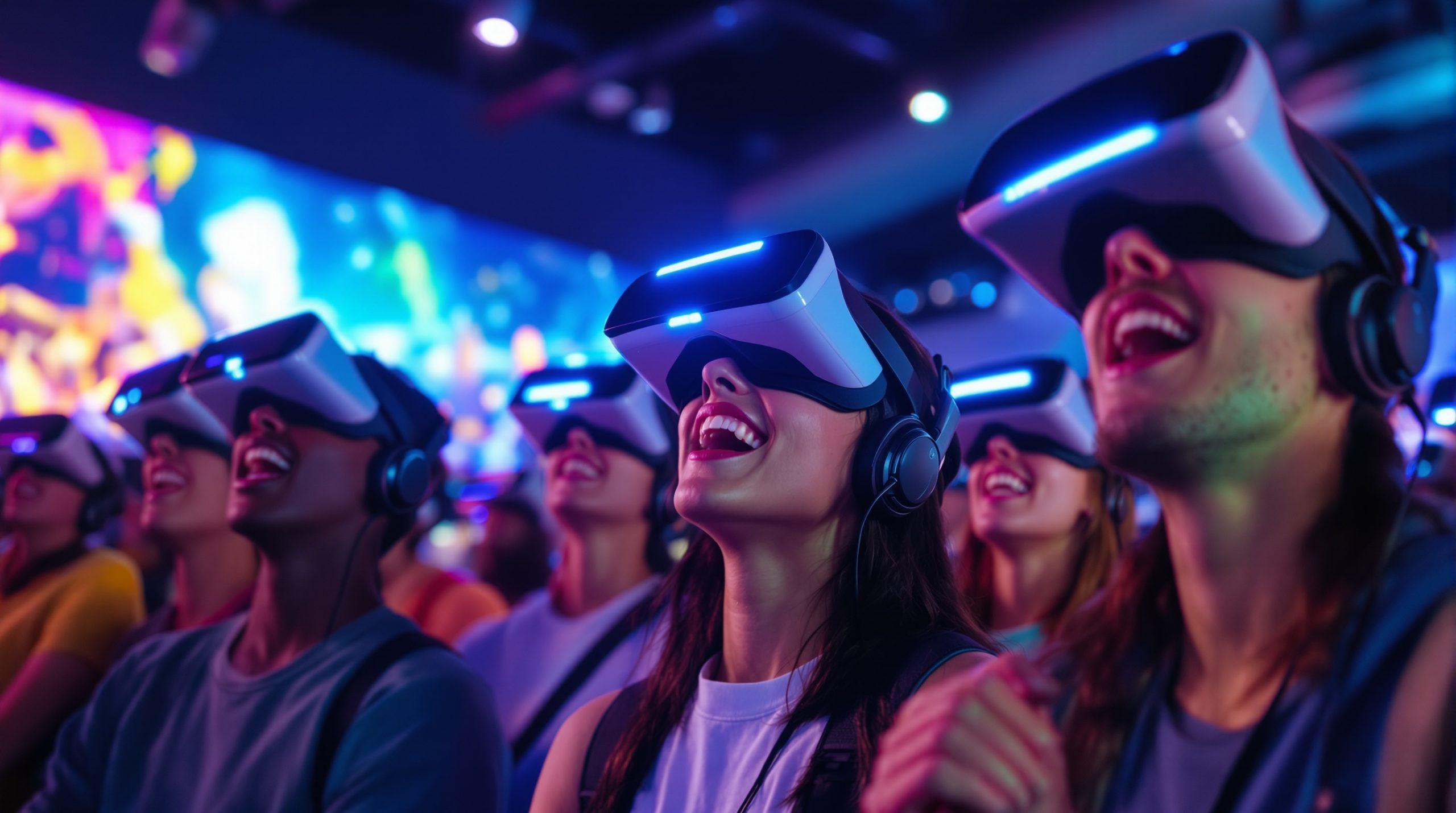
Virtual reality (VR) has transformed from a futuristic concept into a rapidly growing form of entertainment. By creating immersive digital environments, VR allows users to experience games, movies, concerts, and interactive experiences in entirely new ways. As technology continues to evolve, the future of virtual reality entertainment promises even greater innovation and opportunities for audiences worldwide.
What Is Virtual Reality?
Virtual reality is a technology that uses specialized headsets and software to create immersive digital environments. Users can interact with virtual spaces that simulate real or imagined worlds.
VR experiences often engage multiple senses, making users feel as though they are physically present within the environment.
The Growth of VR Entertainment
The entertainment industry has embraced VR for its ability to deliver highly engaging experiences.
Current applications include:
- Video games
- Virtual concerts
- Interactive storytelling
- Educational experiences
- Virtual tourism
As hardware becomes more affordable and accessible, VR adoption continues to increase.
Revolutionizing Gaming
Gaming remains one of the most popular uses of virtual reality.
Future VR gaming may feature:
- More realistic graphics
- Advanced motion tracking
- Enhanced multiplayer experiences
- Greater physical interaction
Players will likely enjoy increasingly immersive worlds that respond naturally to their movements and actions.
Virtual Movies and Storytelling
VR is transforming how stories are told and experienced.
Instead of simply watching a film, viewers can:
- Explore virtual environments
- Interact with characters
- Influence story outcomes
- Experience scenes from multiple perspectives
This interactive approach may redefine traditional entertainment formats.
Virtual Concerts and Live Events
Virtual reality is changing how audiences attend live events.
Benefits include:
- Access from anywhere in the world
- Interactive audience participation
- Unique viewing perspectives
- Reduced travel costs
Artists and event organizers can reach larger audiences through immersive virtual experiences.
Social VR Experiences
The future of VR entertainment extends beyond individual experiences.
Social virtual reality allows users to:
- Meet friends in virtual spaces
- Attend events together
- Participate in shared activities
- Collaborate in digital environments
These experiences combine entertainment with social interaction.
Advances in Hardware
Future VR devices are expected to become:
- Lighter
- More comfortable
- More affordable
- Higher resolution
- More powerful
Improved hardware will enhance realism while making VR more accessible to mainstream consumers.
Integration with Artificial Intelligence
Artificial intelligence is likely to play a major role in future VR experiences.
Potential applications include:
- Intelligent virtual characters
- Personalized content
- Adaptive storytelling
- Realistic interactions
AI-driven environments could create unique experiences tailored to individual users.
Educational and Cultural Opportunities
Entertainment and education often overlap in virtual reality.
Future experiences may include:
- Historical recreations
- Museum tours
- Cultural events
- Scientific simulations
Users can learn while being entertained through immersive digital experiences.
Challenges Facing VR
Despite its potential, VR still faces several challenges.
These include:
- Hardware costs
- Motion sickness concerns
- Content development expenses
- Technical limitations
Continued innovation will be necessary to overcome these obstacles and expand adoption.
The Potential of the Metaverse
Many experts envision virtual reality as a key component of future digital ecosystems, often referred to as the metaverse.
These interconnected virtual spaces may combine:
- Entertainment
- Social interaction
- Commerce
- Education
- Work environments
Such developments could significantly change how people interact with digital content.
Conclusion
The future of virtual reality entertainment appears incredibly promising. Advances in technology, artificial intelligence, and immersive storytelling are creating new possibilities for gaming, movies, social experiences, and live events. As VR becomes more accessible and sophisticated, it has the potential to redefine entertainment and transform how people experience digital worlds in the years ahead.