 admin
admin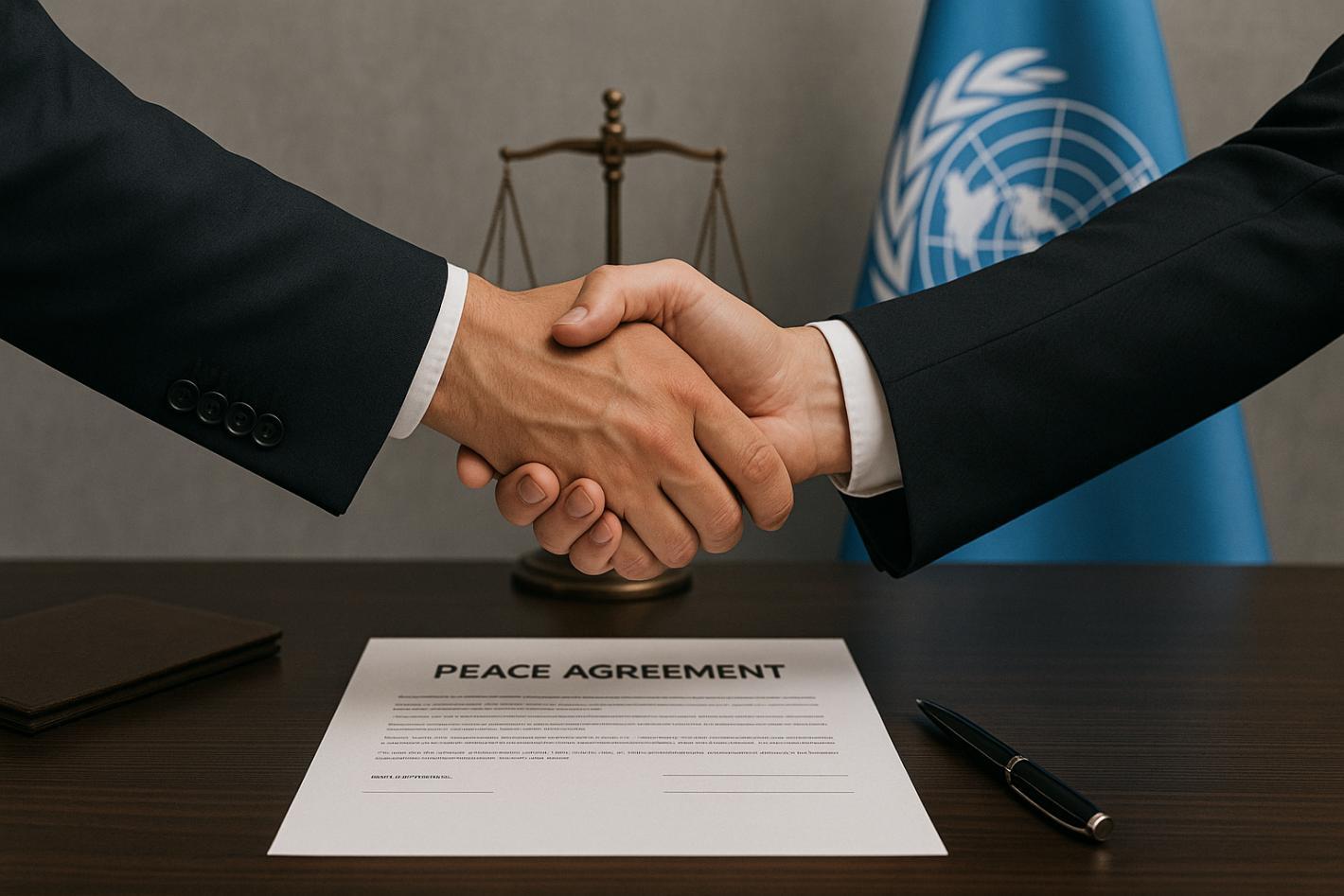
Political conflicts have shaped nations, influenced international relations, and transformed societies throughout modern history. These conflicts often arise from ideological differences, territorial disputes, economic interests, or struggles for power. Understanding major political conflicts in modern history provides valuable insights into how global events have shaped the world we live in today.
Understanding Political Conflict
Political conflict occurs when groups, governments, or nations disagree over power, governance, resources, or ideology. While some conflicts are resolved through negotiation and diplomacy, others escalate into wars, revolutions, or prolonged tensions.
The twentieth and twenty-first centuries have witnessed numerous political conflicts that continue to influence international affairs.
World War I
The outbreak of World War I marked one of the most significant political conflicts of modern history. Triggered by political alliances, nationalism, and territorial disputes, the war involved many of the world’s major powers.
Consequences included:
- Massive loss of life
- Collapse of empires
- Redrawing of national borders
- Political instability across Europe
The conflict also laid the groundwork for future global tensions.
World War II
World War II remains the deadliest conflict in human history. Political ideologies, territorial expansion, and authoritarian regimes contributed to the outbreak of the war.
Key outcomes included:
- Creation of international institutions
- Decolonization movements
- Emergence of new global powers
- Reconstruction of Europe and Asia
The war fundamentally reshaped global politics.
The Cold War
Following World War II, the world entered the era of the Cold War. This prolonged political struggle centered on ideological competition between capitalism and communism.
Characteristics included:
- Nuclear arms race
- Proxy wars
- Espionage activities
- Space exploration competition
Although direct military conflict between the superpowers was avoided, the Cold War influenced international relations for decades.
Decolonization Conflicts
After World War II, many colonies sought independence from European powers. Political conflicts emerged as nations fought for self-determination.
Examples include independence movements in:
- Asia
- Africa
- The Middle East
These struggles helped reshape the global political landscape and led to the formation of many modern states.
The Vietnam War
The Vietnam War became a major Cold War-era conflict involving competing political systems and international intervention.
The war highlighted:
- Ideological divisions
- Anti-war movements
- Challenges of foreign intervention
Its effects continue to influence military and political decision-making today.
The Arab-Israeli Conflict
One of the longest-running political disputes in modern history is the Arab-Israeli conflict. Rooted in competing national aspirations and territorial claims, the conflict has led to multiple wars and diplomatic efforts.
Key issues include:
- Territorial boundaries
- Security concerns
- Refugee rights
- Political sovereignty
Various peace initiatives have sought lasting solutions, though challenges remain.
The Fall of the Soviet Union
The dissolution of the Soviet Union in 1991 marked a major political transformation. Economic difficulties, political reforms, and nationalist movements contributed to its collapse.
The event resulted in:
- Creation of new independent states
- Shifts in global power structures
- Expansion of international cooperation
Its impact continues to shape global politics.
Contemporary Political Conflicts
Modern political conflicts often involve complex combinations of economic, ethnic, religious, and geopolitical factors.
Current challenges include:
- Territorial disputes
- Cybersecurity tensions
- Regional power struggles
- Competition for resources
Globalization and technology have added new dimensions to political conflict management.
The Role of Diplomacy
Despite recurring conflicts, diplomacy remains one of the most important tools for preventing violence and promoting peace.
Diplomatic efforts include:
- International negotiations
- Peace treaties
- Mediation initiatives
- Multilateral cooperation
Successful diplomacy can reduce tensions and create pathways toward long-term stability.
Conclusion
Major political conflicts in modern history have shaped national boundaries, transformed governments, and influenced international relations. From world wars and ideological rivalries to independence movements and regional disputes, these conflicts provide important lessons about leadership, diplomacy, and the pursuit of peace. Understanding their causes and consequences helps us better interpret current global events.